Canon PowerShot Pro1
The most fun $60 I've spent on a camera
The Canon PowerShot Pro1 is a 2004 bridge camera with an 8MP CCD and the only L-series lens Canon ever put on a PowerShot. It's slow to write RAW, the autofocus hunts in low light, and ISO 400 is the ceiling, but it makes fun photographs and feels built like a tool. I paid about $60 for mine on eBay and would do it again.
Should you buy this camera?
Where it lands on my buy-it scale. Five is a coin flip; ten is a camera I'd hand to anyone.
- The only PowerShot with an L-series lens: 28-200mm equivalent at f/2.4-3.5, red ring and all
- Dense, solid body with the nicest battery door I've used
- Shoots quickly for a 2004 camera, with menus you can learn in an afternoon
- Early CCD color that looks like nothing a modern sensor makes
- Quirky in the best way: you can set the shutter sound to a dog bark
- RAW files take a while to write
- Autofocus hunts in low light
- The 2-inch rear screen feels tiny by modern standards
- ISO 400 is as far as you'd want to push it
Where it shines
Scores reflect the reviewer's first-hand experience using this camera for each kind of shooting, 0 to 5.
Who it’s for
Someone who has heard that there are no bad cameras and wants to test the idea for about $60. The Pro1 rewards a shooter who is happy in daylight, doesn’t mind waiting on a RAW write, and wants to see what an early CCD and a real L-series zoom do together. If you’ve only ever shot mirrorless, it’s a cheap way to feel how different a 2004 camera is in the hand.
What it’s like to shoot
I’ve gotten far enough into photography to finally understand the “there are no bad cameras” idea. After time with modern flagships in all kinds of situations, the biggest limitation turned out to be me, standing behind the camera. So part of my practice now is picking up older bodies. There are so many machines that were cutting edge in their day, sitting around waiting for someone to shoot them again, and they cost almost nothing. The oldest and most surprising one so far is this PowerShot Pro1 from February 2004.
The spec sheet reads like a time capsule: an 8MP 2/3-inch Sony CCD, a 7x Canon L-series zoom covering 28-200mm equivalent at f/2.4-3.5, shutter speeds from 15 seconds to 1/4000, ISO 50 to 400, CompactFlash or Microdrive storage, a 2-inch vari-angle LCD, and about 545 g on the scale. It sold for around $1,000 new.
This camera is fun. It shoots quickly for its age, and the menus are simple enough to learn in one sitting, which is one of the underrated benefits of older cameras. Nobody was trying to pack a hundred computational modes into the menu system in 2004. It also has some quirks from a time when camera companies seemed a little less serious: you can change the shutter sound to a dog barking, which is exactly as delightful and pointless as it sounds.
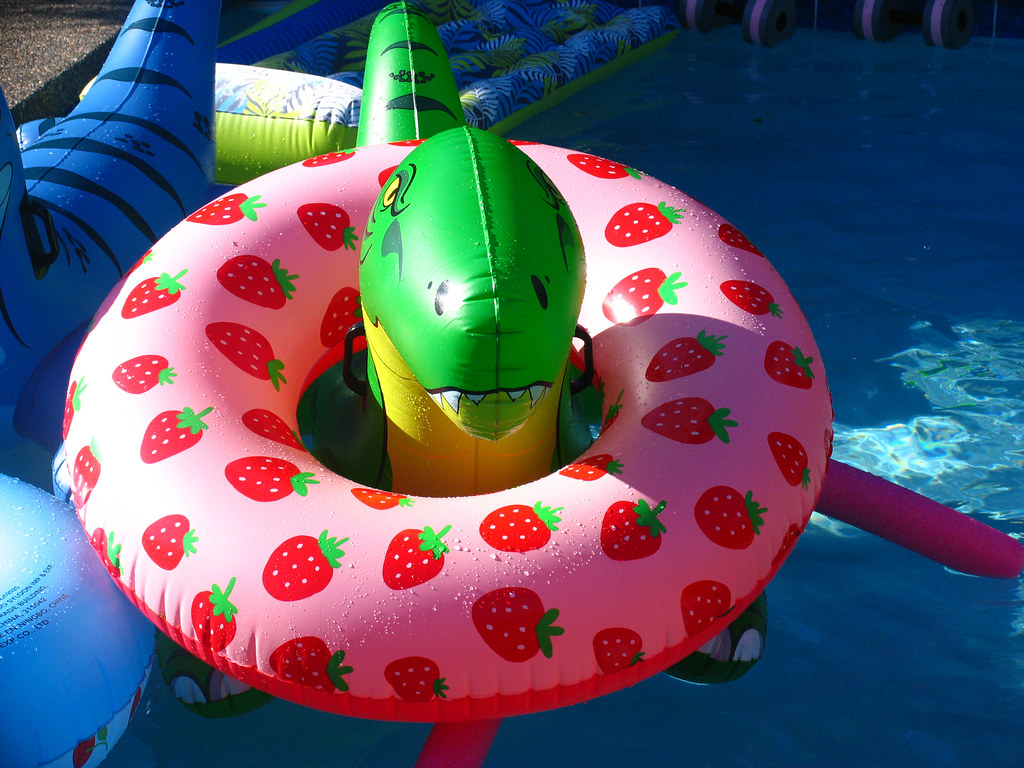
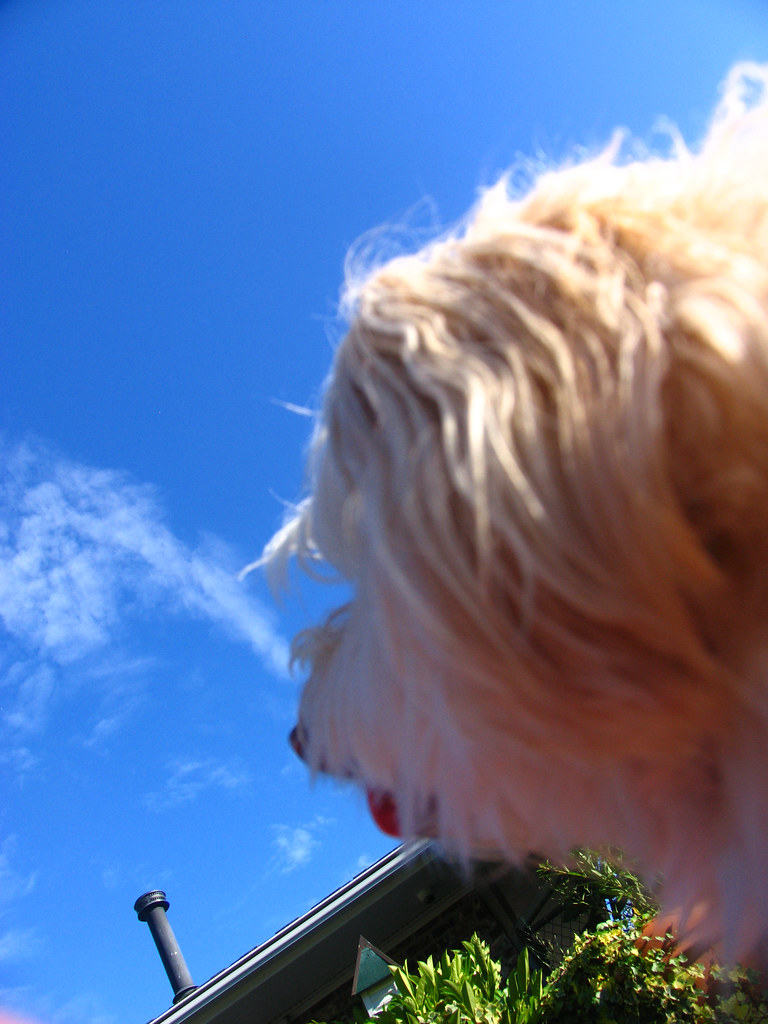
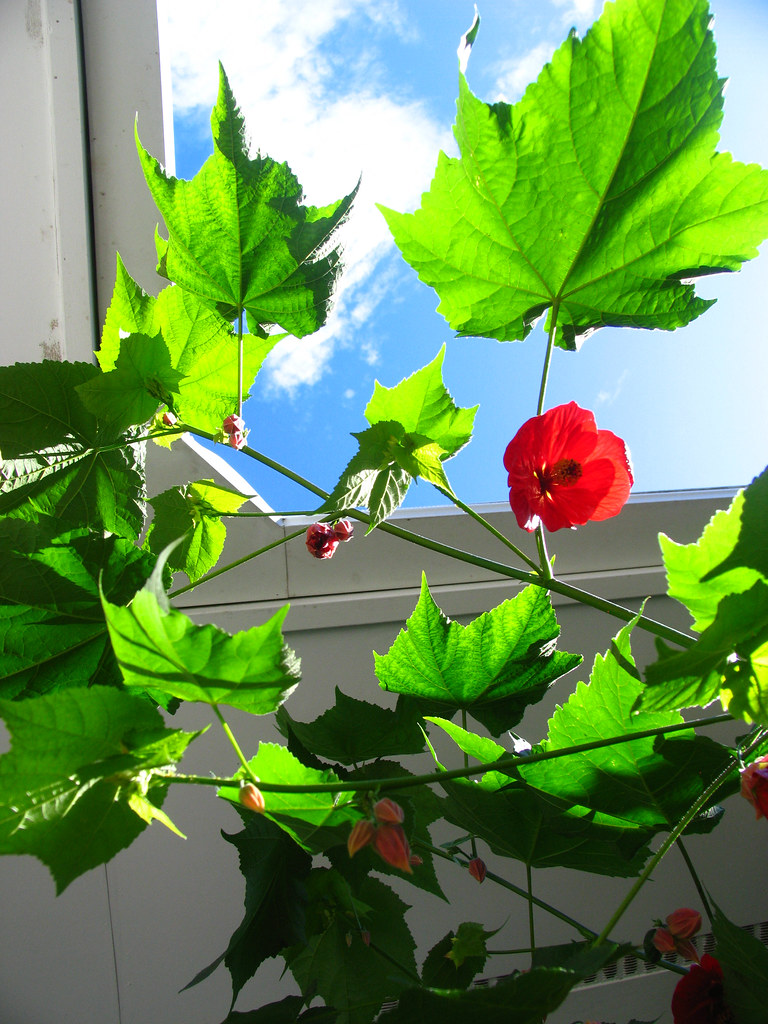
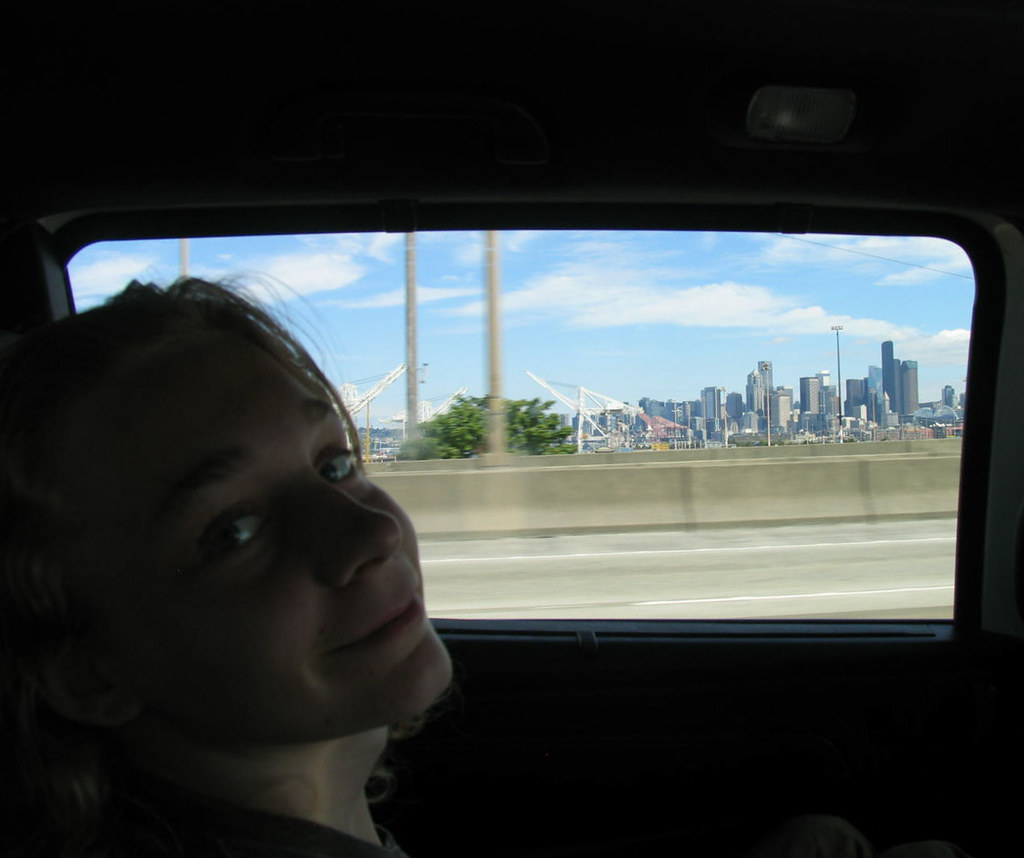
Here’s a handful of shots from my first outings with it.


Strengths
The body feels solid in a way many modern plastic-heavy point-and-shoots don’t. It has the nicest battery door I’ve ever used, if you’ll accept that as a metric (I do). Everything about it has a reassuring density.
Canon was clearly proud of the lens. The Pro1 remains the only PowerShot ever built with an L-series lens, the designation Canon reserves for its professional EF glass, and they made sure you’d notice with the signature red ring around the barrel. The zoom range is useful, the wide end is fast for a 2004 compact, and the images have the look that people chase early CCD sensors for.
Weaknesses and workarounds
No camera is perfect, and the Pro1 shows its age. RAW files take a while to write, so you learn to wait after a burst. Autofocus hunts in low light, which I work around by shooting it in daylight, where it belongs. The rear LCD is tiny by modern standards, though it does tilt. And ISO 400 is about as far as you’d want to push the sensor. None of those are deal breakers, but they’re worth knowing before you buy one.
Where to find one
I picked mine up on eBay for about $60. You probably won’t find one at MPB or KEH, but they’re common enough if you’re willing to hunt a little. The Pro1 detail page carries today’s lowest observed price and the current eBay listings. Ignore the listings for Canon’s newer PowerShot models when you search; they’re fine cameras, just a different lineup entirely.
Further reading
I first wrote about this camera on my personal site: The Canon PowerShot Pro1 (2004) Might Be the Most Fun $60 I’ve Spent. I’ll keep updating this review as I spend more time with it.
Verdict
Yes, buy it. The Pro1 is slower, a little clunky, and dated by any modern measure, but it makes fun photographs, carries an excellent lens, and feels wonderfully well built. For about $60 that's hard to argue with. I'd point anyone curious about older digital cameras at it, especially if the look of an early CCD sensor interests you or you just want something that isn't another mirrorless body.
Anyone who needs low-light performance, fast autofocus, or video. This is a daylight camera from 2004 and it doesn't pretend otherwise.
This review captures the reviewer's experience with the Canon PowerShot Pro1, not its current price. For today's lowest observed used price across the major used-gear sites, see the camera detail page. For how Should You Buy This Camera collects prices and computes deal scores, see /methods.